How to Wash Scrunchies: Care Labels, Washing & Drying
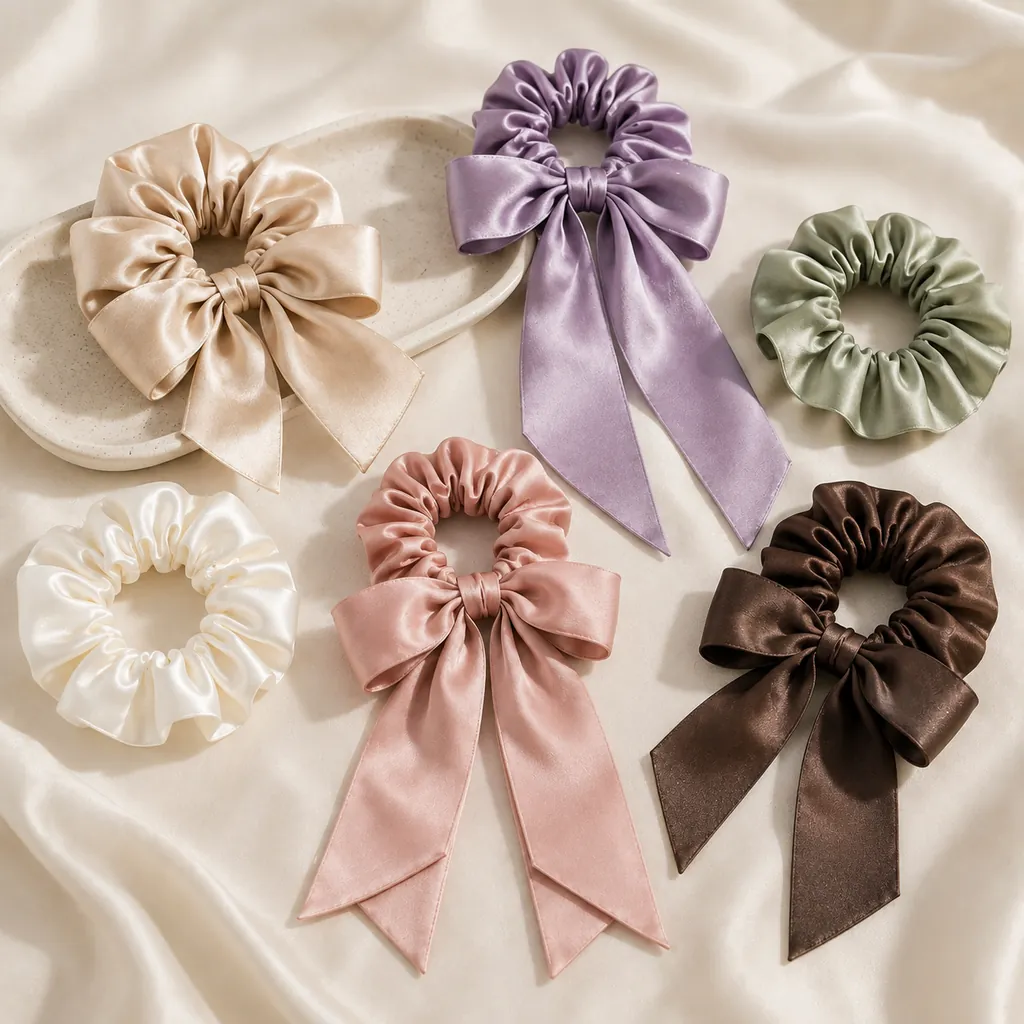
To wash a scrunchie, start with the care instructions for the finished accessory. Follow the permitted washing and drying process, then inspect it when dry. A fabric name or another person's laundry routine is not enough to establish how your particular scrunchie should be cleaned.
Questions about washing scrunchies appear in hair-care discussions alongside questions about loose elastic. These are separate decisions: choosing a cleaning method and deciding whether a worn accessory still works. This guide explains how to keep them separate, with a sample-checking record for brands developing a scrunchie range.
Read the care instructions before choosing a wash cycle
Start with the product label, packaging or the maker's instructions for that exact style. Make a note of the permitted washing process and the separate drying directions. If an instruction is unclear, ask the seller to explain it before choosing a cycle. This checklist does not replace the product's own care instructions.
For a silk or satin scrunchie, confirm which product instructions apply rather than borrowing the routine for a different item. If the instructions are missing or unclear, ask the seller before experimenting with heat or a laundry cycle.
Make a short care checklist
Before starting, identify the allowed wash method, maximum temperature, detergent guidance and drying method. Follow those instructions together. After the item is dry, check its seams, fabric and usable hold before putting it back into rotation.
For your own records, a quick photograph before cleaning can be useful. If you later notice a change, it gives you something more specific to discuss with the seller than “it looks different.” Record the instructions you followed as well as the result.
Keep cleaning separate from attempts to shrink loose elastic
In a February 2024 Reddit repair discussion, a wearer asked about stretched satin scrunchies and whether hot water or an elastic repair could help. That question identifies a real concern; the replies are not controlled evidence that a treatment restores the accessory's original performance.
Do not choose a cleaning process solely because someone says it will make a loose scrunchie smaller. If the fit has changed, document that separately. A photograph or a temporarily smaller appearance does not demonstrate restored hold. The existing scrunchie fit, size and elastic guide covers that separate assessment.
Check what changed after drying
Use the following as an observation checklist, not a diagnosis of the material or a set of laboratory acceptance limits.
| Observation | What to record | Useful next step |
|---|---|---|
| Color looks different | Before/after photographs under comparable lighting; wash details | Ask the seller or supplier to review the actual color and care method |
| Seam opens or fabric catches | Location and close-up photograph | Set the item aside for inspection rather than treating the change as normal |
| Shape looks different | Resting position, dryness and measurement method | Compare like with like before deciding it has permanently changed |
| Hold feels different | Whether the item is fully dry; whether the same hairstyle was used | Record a separate fit check and compare with an unused sample if available |
| Trim or a label changes | Which component changed and when | Include that component when reviewing the finished accessory |
The purpose is to describe the result accurately. One changed sample cannot tell you whether the cause was the construction, prior wear, the care process or a combination of factors.
For brands: approve the care instructions with the finished sample
A private-label brief often specifies color, size and packaging before anyone decides what customers should do on laundry day. Add the care wording to the sample review so the product and its instructions can be assessed together.
The following is a proposed comparison record, not a claim that WINCOME has performed these tests or that any particular design has passed them.
| Record | Define before the comparison |
|---|---|
| Sample identity | Style, color, construction revision and individual sample identifier |
| Reference | An unused sample of the same version, kept for comparison |
| Care wording | The exact instructions proposed for the customer |
| Process | Washing and drying conditions, product used and deviations from the instructions |
| Repeat plan | Number of repetitions and observation points agreed for this comparison |
| Appearance | Consistent photographs; observations of color, fabric, seams and attached details |
| Dimensions | Which feature is measured, how it is positioned and when the measurement is taken |
| Function | A separate, consistent check of usable hold after drying |
| Decision | Agreed limits, observed changes, approval or revision, and the reviewer |
Agree on the questions and acceptance criteria before inspecting the results. Otherwise, “looks fine after washing” can mean different things to the buyer and supplier. Retain observations for each sample rather than combining mixed results into a general “washable” claim.
If the fabric, elastic, seam, decoration or care wording changes, identify the new version in the record and decide what needs to be checked again. Do not transfer an approval to a different construction without reviewing the difference. Where a formal performance claim is planned, ask a suitable laboratory to recommend the applicable method and reporting scope.
Questions to send with a sampling brief
- Which care instructions are proposed for this finished design?
- What evidence supports those instructions for the specific construction and color?
- Which changes will be checked after washing and drying?
- What result would require a sample revision or different care wording?
- Which version of the sample and instructions will be retained for approval?
You do not need to invent a universal cycle count or promise that every fabric can use the same routine. You need a clear record of the product being assessed, the care process and the observed outcome.
Frequently Asked Questions
Can scrunchies go in the washing machine?+
Only when the instructions for the finished product permit it; follow the specified process and drying directions.
Can washing fix a stretched-out scrunchie?+
Do not treat that as an established repair. Cleaning and evaluating changed fit are separate tasks.
Should a brand call its entire range machine washable?+
Support the claim for each covered construction and care process. A single sample result is not evidence for every style and color.
Planning a private-label range? Explore the scrunchie collection, then send WINCOME a sampling brief with your design, intended care wording and the questions you want the sample review to answer.
Keep Reading
Related Articles
Start Your Project
Ready to Talk to a Factory Directly?
Free design mockup and factory-direct quote within 24 hours. Production MOQs vary by category; samples and in-stock items may be available below the custom minimum.