Private Label Hair Accessories: A Guide for Amazon and Etsy-Eligible Original Designs
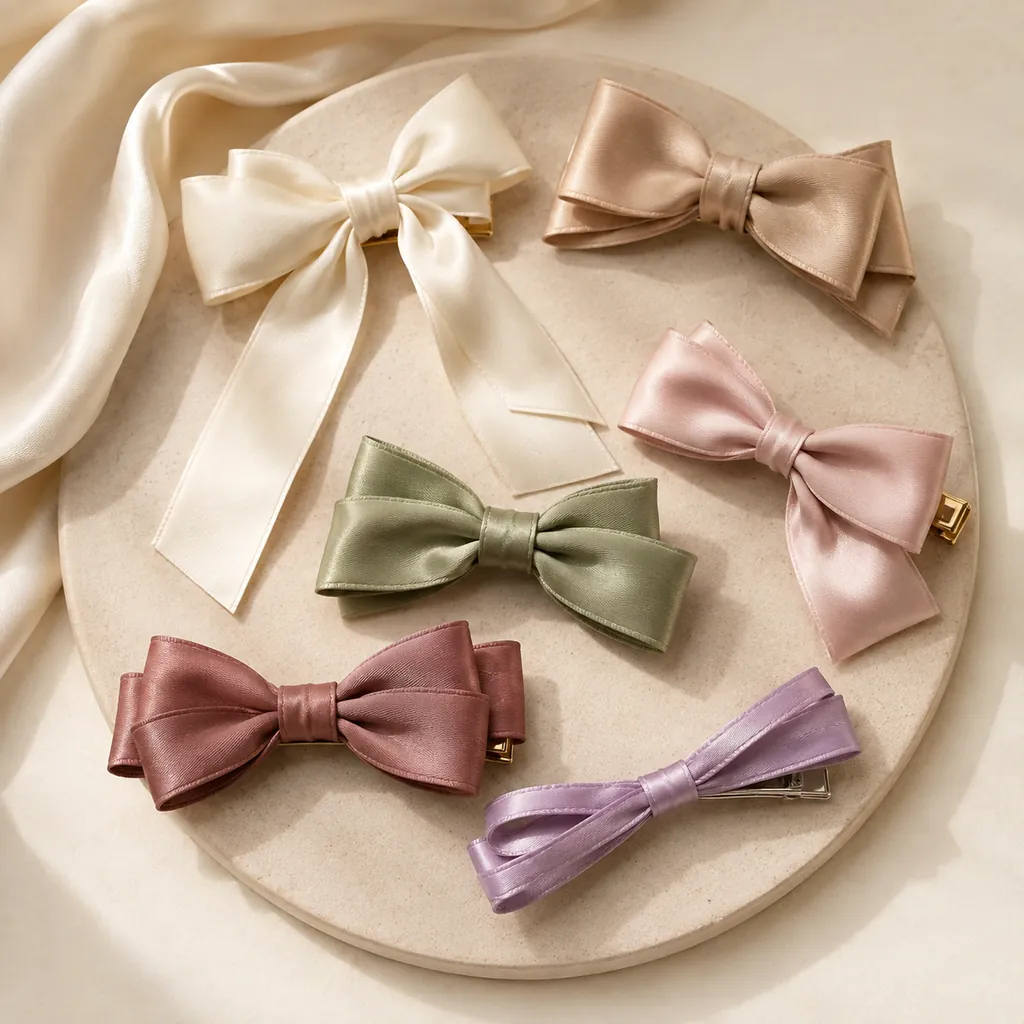
A practical private-label project follows seven steps: define the product and price target, confirm marketplace eligibility and brand rights, select a manufacturer, write the specification, approve samples and labeling, contract the bulk order, and launch with accurate listings. WINCOME uses category-specific production MOQs, while tooling, revisions, compliance work, freight and platform review make every timeline different.
Before You Start: Etsy Is Not a General White-Label Marketplace
Etsy permits production partners for items based on a seller's original design or a buyer's customization, with the partner disclosed in the relevant listing. Etsy's current help guidance says generic white-label, OEM or ODM products that the seller did not design are not qualifying production-partner items. Amazon and other marketplaces use different rules. Confirm eligibility before paying for inventory, and describe who designed and made the item accurately.
Step 1: Pick Your Product and Price Point First
Your product choice determines your supplier, materials, margins and production minimum. Common private-label entry products include claw clips, scrunchies and hair bows, but each category has different setup and quantity requirements. Before contacting any factory, decide your hero product, target retail price and target cost of goods, then test those assumptions against a current written quote.
Step 2: Choose Between Custom-Mold and Existing Designs
This is the fork in the road:
- Custom-tool design: your specified geometry uses dedicated tooling. Exclusivity is not automatic; the contract should state design ownership, mold ownership, storage, maintenance, permitted use and return or destruction.
- Existing-design customization: choose an existing body and customize eligible colors, materials, logo or packaging. This can reduce tooling and lead time, but it may not create platform eligibility or design exclusivity.
If differentiation matters, use original geometry or documented design input and protect the commercial terms in writing. Packaging can strengthen presentation, but it does not turn an otherwise ineligible generic resale item into an Etsy-eligible seller-designed product.
Step 3: Find a Manufacturer That Fits Your Size
The right manufacturer for a solo seller is one that states category-specific production minimums and provides design support. Vet candidates with the same checklist we published in how to source from China: video walkthrough, certifications (BSCI/ISO 9001/OEKO-TEX), in-house molding or sewing, and client references. A reliable manufacturer will quote the MOQ basis accurately from your spec sheet.
Step 4: Order Samples and Iterate
Budget 5–7 days for sample production plus express shipping. Order samples of every colorway you plan to sell — colors are the number-one reason samples get rejected. Test samples as your customer will: open claw clips 100 times, wash fabric items, photograph colors in natural light. Most factories offer free samples with refundable shipping; use the revision rounds to lock your spec.
Step 5: Lock Packaging, Logo, and Labeling
Specify the pack format, logo method, barcode or marketplace label, warnings and destination-market disclosures before bulk. For U.S. textile products, FTC guidance covers fiber content, country of origin and responsible business identity. A voluntary certification such as OEKO-TEX does not replace legal product requirements, and children's products require a separate safety review. Approve a packaging proof and keep the supporting records.
Step 6: Place the Bulk Order with Written QC Terms
Your bulk order should identify the approved sample, tolerances, defect classes, sampling plan, inspection rights, remedies and named Incoterms® rule with place. For marketplace fulfillment, verify current carton, barcode and delivery requirements immediately before production. WINCOME targets 10–18 production days for eligible specifications after written approval; tooling, testing and capacity can extend that window.
Step 7: Launch with Accurate, Platform-Eligible Listings
Use original or properly licensed images, disclose materials and production accurately, and make only claims supported by the specification and test records. On Etsy, disclose a qualifying production partner and retain evidence of your original design role. On every platform, separate verifiable material or performance facts from marketing language.
For planning, model tooling, samples and revisions, inventory, packaging, inspection, freight, duties, photography, platform fees and a contingency reserve. Do not present one launch budget or six-week schedule as universal; obtain current quotes and map the critical path before committing.
How WINCOME Supports New Brands
WINCOME works with first-time sellers and established brands alike: free design mockups in 24 hours, category-specific production MOQs, sample support, FBA-direct shipping, and packaging design support. Hair Claws & Clips require 1,000 pcs and Hair Clips & Barrettes require 2,000 pcs per design per color; samples and stock may be available below production MOQ. See our OEM/ODM capabilities or product catalog to start.
Frequently Asked Questions
How much does it cost to start a private label hair accessories brand?+
Build a project budget from current tooling, samples, inventory, packaging, inspection, freight, duties, photography, platform fees and contingency. The answer changes materially with design ownership, quantity and destination.
What is the MOQ for private label hair accessories?+
MOQ depends on the category. Hair Claws & Clips require 1,000 pcs and Hair Clips & Barrettes require 2,000 pcs per design per color; headbands, scrunchies and bows retain their product-specific minimums. Samples and stock may be available below production MOQ.
How long does it take to launch a hair accessories brand?+
Create a critical path covering specification, marketplace eligibility, tooling, sample revisions, testing, packaging, production, inspection and freight. WINCOME's 10–18 day production target applies only to eligible approved specifications and excludes earlier development and later transit.
What is the difference between private label and white label?+
Private label means the product is manufactured to your brand's specifications (custom materials, colors, packaging, sometimes custom molds). White label means you buy a generic product and put your label on it. Private label offers differentiation and higher margins; white label is faster and cheaper.
Have a product idea but not sure where to start? Send it to us — you will get a design mockup and factory-direct quote within 24 hours, and we will walk you through tooling, MOQ, and timeline. Start your project.
Keep Reading
Related Articles
Start Your Project
Ready to Talk to a Factory Directly?
Free design mockup and factory-direct quote within 24 hours. Production MOQs vary by category; samples and in-stock items may be available below the custom minimum.