Do Claw Clips Damage Hair? Dents, Breakage & How to Wear Them Safely
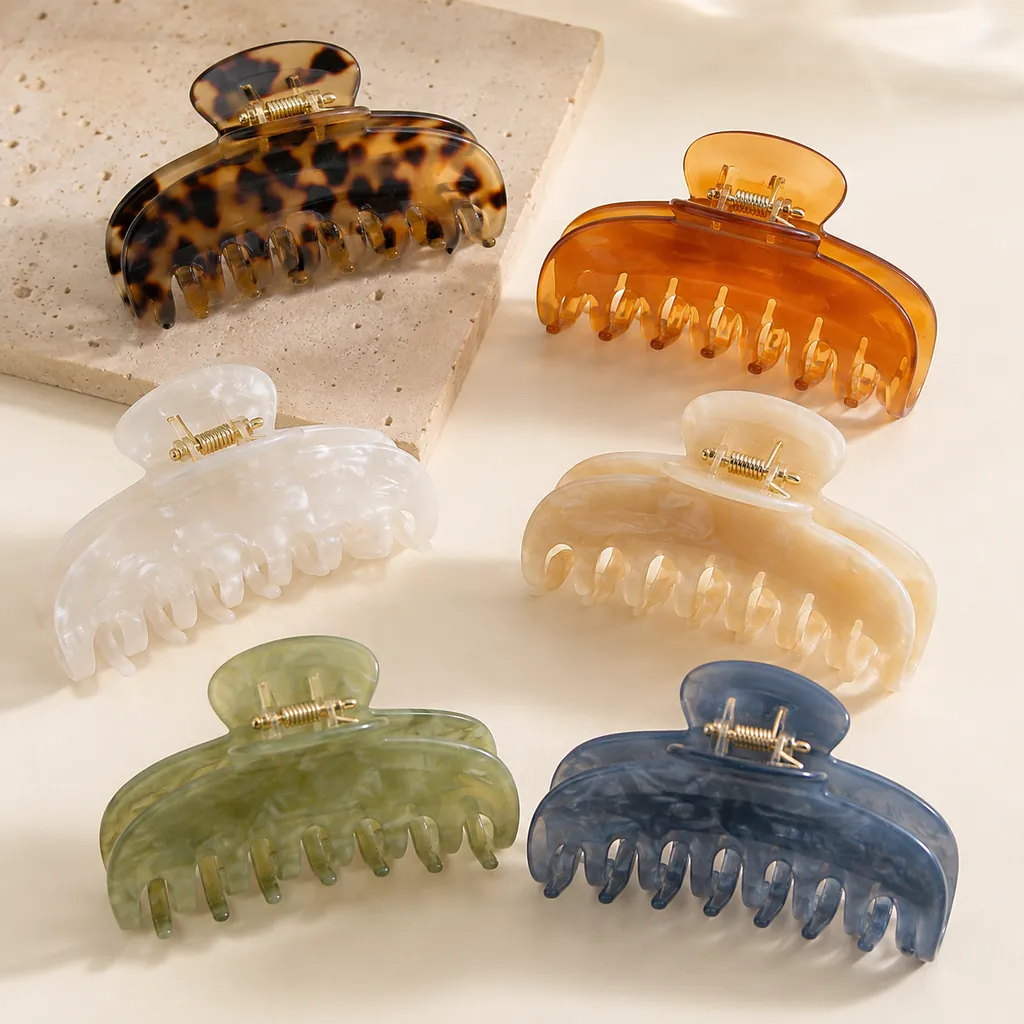
Claw clips can contribute to breakage or traction when they pull tightly, snag strands, carry too much hair, or sit in the same place every day. They are not automatically safer than hair ties. Risk depends on tension, fit, surface finish, placement, wear time and whether the hair is wet or fragile. A temporary crease alone is usually different from breakage, but pain, scalp tenderness, broken hairs or thinning are reasons to stop and reassess.
Why This Question Is Trending Again
A recent r/Haircare discussion attracted hundreds of votes and many reports of soreness or breakage around a repeatedly used placement. Those experiences do not prove that every claw clip causes damage, but they expose a practical pattern: switching from a tight elastic to a clip does not remove tension if the clip is overloaded, sharp or worn in one fixed spot.
What Medical Guidance Says About Tension
The American Academy of Dermatology warns that frequently wearing styles that pull can lead to traction alopecia. The NCBI clinical overview likewise describes prolonged or repetitive tension as the core mechanism. Neither source tests claw clips as a product category, so the responsible conclusion is about tension and warning signs—not a blanket claim that every clip is safe or harmful.
The Four Main Damage Drivers
1. Wrong size creates tension and pulling
A clip that is too small for the hair bundle may need to be forced closed, while an oversized heavy clip can drag downward. The style should feel secure without pulling at the roots. Match the clip to hair volume using our claw clip size guide.
2. Sharp edges and rough molding cut and snag
Burrs, sharp seams and unfinished tooth tips can catch individual strands. Inspect the inside surfaces, hinge, spring and decorative attachments—not only the visible outer shell. A clip that catches during removal should be replaced.
3. Repeating one placement every day
Even moderate force becomes repetitive when the accessory grips the same section day after day. Rotate the height and side of the style, alternate with loose options, and take the hair down when the scalp feels tender.
4. Wet hair, sleep and hard backrests
Wet or chemically treated hair can be more vulnerable to stretching and breakage. Sleeping in a rigid clip adds snagging and pressure, while leaning against a chair or vehicle head restraint can press hard hardware into the scalp. Remove the clip before sleep; for driving, use the posture checks in our flat clip and headrest guide.
What to Look For in a Hair-Safe Claw Clip
- Polished, burr-free edges and rounded tooth tips
- A size and usable capacity matched to the intended hair volume
- Enough grip to hold without forcing the jaws closed
- Low weight and smooth scalp-facing hardware
- Clear guidance to vary placement and stop if the style hurts
Warning Signs: When to Stop Wearing the Style
Take the clip out if you feel pain, persistent scalp tenderness, burning, stinging or a headache linked to the style. Broken hairs concentrated around one placement, bumps, crusting or visible thinning also deserve attention. If symptoms persist or hair loss is developing, seek advice from a qualified dermatologist rather than relying on accessory changes alone.
What This Means for Brands
For brands, “will this damage my hair?” is a purchase-decision question. Use evidence-based, testable language: describe polished edges, weight, usable capacity and fit testing instead of promising “zero damage.” Honest sizing and wear guidance can reduce misuse and returns. WINCOME can document these design choices for custom claw clips.
Frequently Asked Questions
Can claw clips cause hair loss?+
Any style or accessory that creates prolonged, repetitive tension may contribute to traction-related hair loss. A clip is not automatically harmful, but pain, tenderness, breakage or thinning are warning signs to stop the style and seek professional advice if they continue.
Why does my hair have a dent after wearing a claw clip?+
A simple crease reflects hair being held in one position and is not the same as broken strands. Reduce pressure, vary placement and avoid forcing a small clip over too much hair.
Are claw clips safer than hair ties?+
Not in every case. A correctly sized, smooth clip may distribute force differently from a tight elastic, but a heavy, undersized or rough clip can still pull and snag. Compare the actual tension and comfort of the style.
Can I wear a claw clip every day?+
Daily use is less likely to create repeated stress when the clip fits comfortably, has smooth surfaces, and the placement varies. Take it out if the scalp becomes sore and avoid sleeping in a rigid clip.
What makes a claw clip more hair-friendly?+
Rounded burr-free surfaces, appropriate capacity, low weight, smooth hardware and secure hold without excessive force are useful design features. Product claims should still avoid guaranteeing zero breakage.
Designing a hair-safe line? We can manufacture clips with polished edges, silicone lining, and custom sizing — and document every spec for your marketing claims. Request a quote.
Keep Reading
Related Articles
Start Your Project
Ready to Talk to a Factory Directly?
Free design mockup and factory-direct quote within 24 hours. Production MOQs vary by category; samples and in-stock items may be available below the custom minimum.